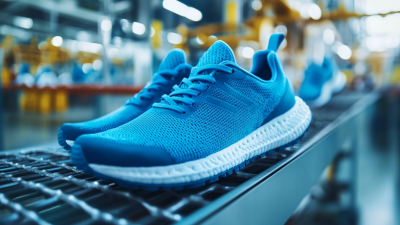
10 Essential Tips for Choosing the Best Racing Shoes
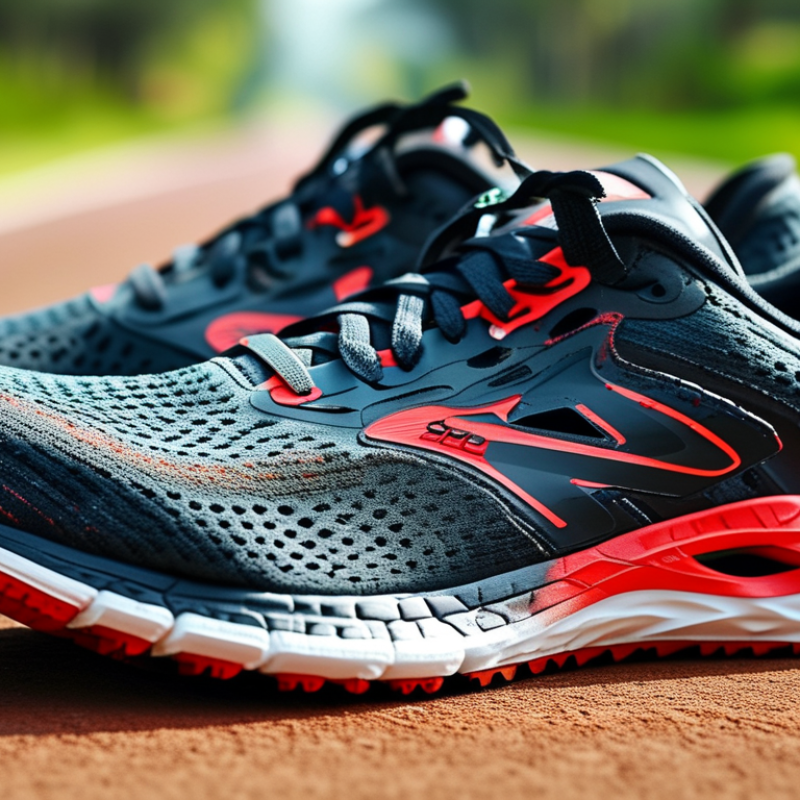
Choosing the right Racing Shoes can significantly impact your performance on the track. Expert podiatrist Dr. Alex Thompson emphasizes, "The right shoes are crucial for speed and injury prevention." When selecting Racing Shoes, it’s essential to understand your unique needs. Factors such as foot shape, running style, and the type of races you participate in play a pivotal role.
Many runners make the mistake of choosing shoes based solely on brand or appearance. However, functionality and fit are far more important. A well-fitted shoe can enhance your comfort and boost your confidence. Remember, what works for one runner may not work for another.
As you navigate this decision, consider trial and error. Testing different pairs might lead you to your ideal shoe. Don't rush the process. The right Racing Shoes can mean the difference between a personal best and an injury setback.
Understanding Your Foot Type and Pronunciation
Understanding your foot type is crucial when choosing racing shoes. Different foot types, such as flat, neutral, or high arches, affect how your foot interacts with the ground. Flat-footed runners often need more stability. In contrast, those with high arches typically benefit from more cushioning. Identifying your foot type helps prevent injuries and enhances performance.
Pronunciation is another vital aspect to consider. Some runners may experience overpronation, where the foot rolls inward excessively. Others might underpronate, meaning the foot rolls outward. This imbalance can lead to issues like shin splints or plantar fasciitis. A professional fitting can shed light on your mechanics. It's essential to pay attention to how shoes feel during a run. If they cause discomfort, they are not the right fit for you.
Once you know your foot type and pronation, you can make a more informed choice. Test various styles and features. Don't rush the process; careful consideration can prevent problems down the line. Finding the right fit is a journey. A little trial and error might be necessary, but it's worth it for your long-term running health.
Identifying the Right Cushioning for Your Racing Needs
Choosing the right cushioning for racing shoes is crucial for performance and comfort. Different runners have unique needs based on their foot shape, running style, and race distance. It’s essential to consider these factors when assessing cushioning options.
A runner who pronates may need extra support. Meanwhile, a neutral runner might benefit from a balanced cushioning system. Test various models to see how they feel during a run. Pay attention to your foot's reactions. An overly cushioned shoe can lead to instability, while minimal cushioning may cause discomfort.
When shopping for racing shoes, look for lightweight options that don’t compromise on cushioning. The right balance can enhance your performance, making you feel lighter on your feet. Remember, walking in them won’t give you a full experience. Think about running strides instead. Engage in some test runs to evaluate the shoe's response. Ultimately, trust your instincts. If something doesn't feel right, it probably isn't the best choice for you.
10 Essential Tips for Choosing the Best Racing Shoes - Identifying the Right Cushioning for Your Racing Needs
| Tip No. |
Cushioning Type |
Best For |
Weight |
Price Range |
| 1 |
Maximalist |
Long Distance Runners |
9 oz |
$120 - $200 |
| 2 |
Responsive |
Speed Work |
8 oz |
$100 - $180 |
| 3 |
Stability |
Overpronators |
10 oz |
$110 - $190 |
| 4 |
Lightweight |
Competitive Runners |
7 oz |
$90 - $170 |
| 5 |
Mixed Cushioning |
Versatile Runners |
9.5 oz |
$100 - $160 |
Choosing the Appropriate Weight for Optimal Performance
Choosing the right weight for racing shoes is crucial. Leaner shoes often enhance speed. A recent study by the Journal of Sports Sciences found that shoes weighing under 200 grams improved running economy by 3% in elite athletes. This can translate to significant time savings during races.
However, lighter shoes may compromise comfort and support. Runners must consider their foot type and running style. A shoe too light might cause discomfort over longer distances. According to a survey by Runner's World, nearly 30% of runners reported injuries linked to improper shoe weight. This highlights the need for careful consideration when selecting racing shoes.
Testing various weights can help. Some runners prefer shoes that weigh between 180-220 grams for a balance of speed and support. It is beneficial to try different pairs. Imagining a race with ill-fitting shoes can be a wake-up call. The best choice combines personal comfort with performance needs.
10 Essential Tips for Choosing the Best Racing Shoes
This chart illustrates the importance ratings of various factors to consider when choosing the best racing shoes. Higher ratings indicate greater importance for optimal performance during races.
Considering the Track Surface and Race Conditions
When selecting racing shoes, the track surface and race conditions are crucial factors. Research from the American Sports Medicine Institute highlights how terrain affects performance and injury rates. For example, a hard track can increase impact forces on joints, while a softer surface can provide better grip. Athletes often recommend adapting shoe choice to these surfaces to optimize performance.
One essential tip is to consider the cushioning of your shoes. A firmer cushioning is effective on tracks like asphalt or concrete. Conversely, softer cushioning works well on grass or turf. Be mindful of your foot strike pattern too. Those who land heavily need added stability and structure. Analytics reveal that about 40% of runners experience injuries linked to improper shoe choices.
Additionally, pay attention to moisture levels. Wet tracks can reduce traction. Shoes with better grip are advised for these conditions. Frequently, experts suggest testing shoes in wet scenarios before race day. Reflection on your typical running conditions can provide insight too. You may find that your favorite pair isn't ideal for every environment. Be open to experimenting with different styles for varying surfaces.
Evaluating Fit and Comfort for a Better Running Experience
Choosing the right racing shoes heavily relies on fit and comfort. A shoe that fits well can enhance your performance and reduce the risk of injury. Before making a decision, spend time trying on various models. Remember that your foot shape is unique. Pay attention to the width, arch support, and cushioning. A snug fit prevents blisters and discomfort, while too much space can lead to instability.
Evaluate how the shoe feels during movement. Run a few steps in-store or on a treadmill if possible. Notice the pressure points and flexibility. If it feels too tight or too loose, it might not be the right choice. Finding the perfect balance is essential. Also, consider factors like sock thickness. Sometimes, a small adjustment can make a significant difference.
Lastly, reflect on your personal experiences. Have you suffered from blisters or soreness after a race? Each runner has different needs. What works for one person may not suit another. Always prioritize comfort and listen to your body’s signals. In the end, a careful approach will lead to a better running experience.