Top 10 Best Sports Running Shoes for Every Runner?
In the competitive world of running, choosing the right footwear is crucial. A recent report from the National Sporting Goods Association revealed that over 50 million Americans participate in running activities. With so many enthusiasts, the demand for high-quality Sports Running Shoes is at an all-time high. According to Dr. Michael McMahon, a renowned biomechanics expert, "The right shoes can enhance performance and prevent injuries."
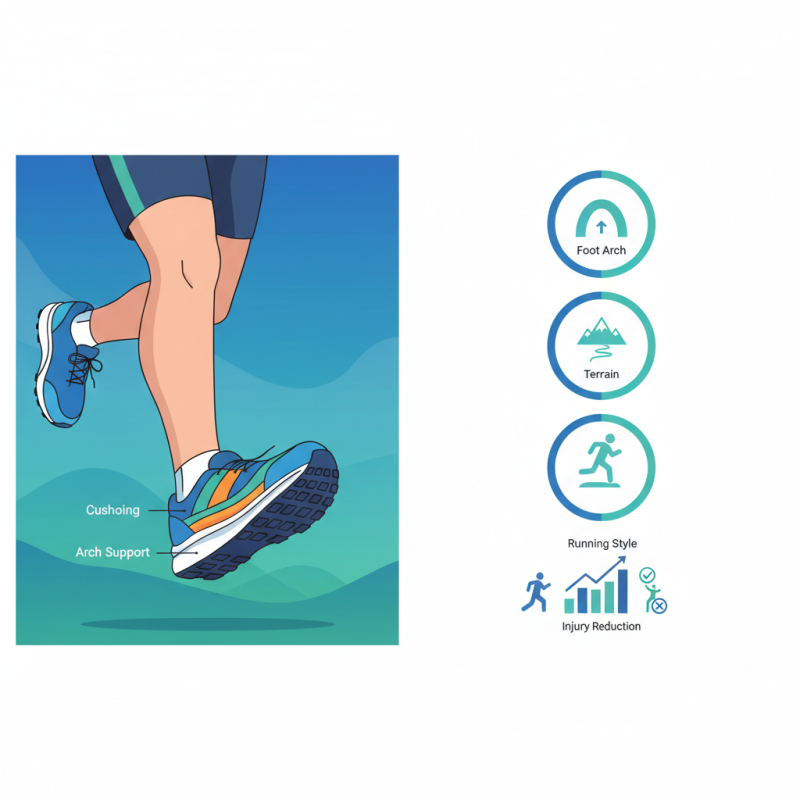
Selecting the best Sports Running Shoes involves understanding your unique needs. Different runners require different features in their shoes. Factors like foot arch, terrain, and running style play significant roles. For instance, a study published in the Journal of Sports Science indicated that appropriately fitted shoes can reduce injury rates by up to 30%. However, many runners still buy shoes based on trends rather than personal fit.
The variety of options can be overwhelming. There are countless brands and styles available today. This diversity can lead runners to make impulsive decisions. A poor choice in Sports Running Shoes can result in discomfort and setbacks. A thoughtful decision based on proper research is essential for every runner.
Top 10 Sports Running Shoes: An Overview of Market Trends and Innovations
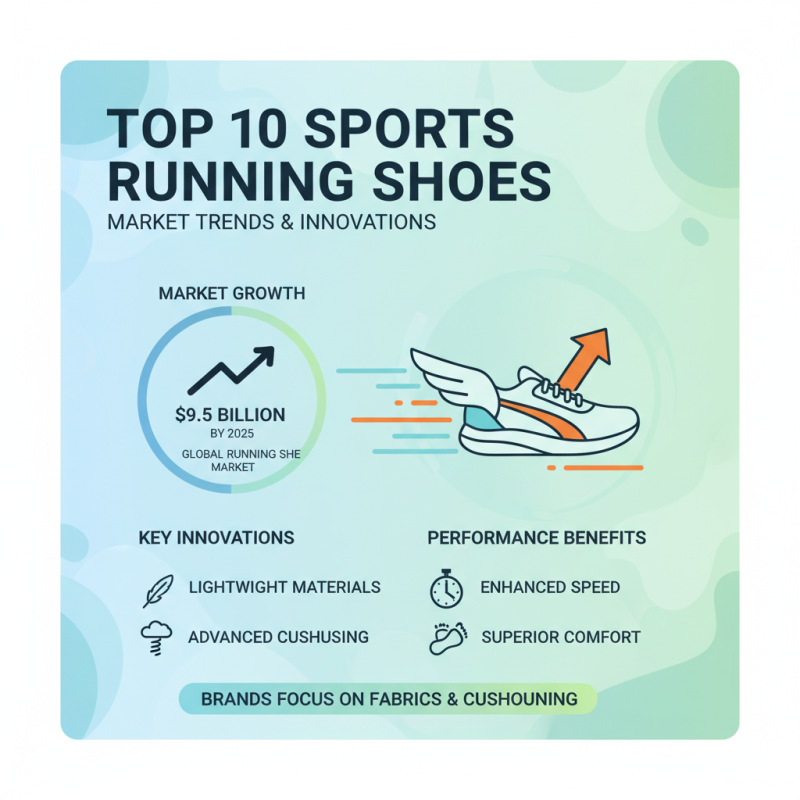
The sports running shoe market is evolving rapidly. According to a recent study, the global running shoe market is expected to reach $9.5 billion by 2025. Innovations in materials and design play a major role in this growth. Brands focus on lightweight fabrics and advanced cushioning systems to enhance performance and comfort.
One significant trend is the rising popularity of environmentally friendly products. A report from the Sports Industry Research Association shows that 55% of runners prioritize sustainability in their shoe choices. Consumers are increasingly aware of the environmental impact of their purchases. They seek shoes made from recycled materials and produced with low emissions.
Tips: Look for shoes with breathable mesh uppers. This enhances ventilation, keeping your feet cool. Pay attention to fit; a snug but comfortable fit can prevent blisters. It's essential to test shoes on various surfaces to gauge their grip and durability. Remember, not every shoe works for every runner. Personal comfort should guide your choice.
Key Features to Consider in Running Shoes: Cushioning, Support, and Fit
When choosing running shoes, pay close attention to cushioning. Proper cushioning absorbs impact, reducing stress on your joints. A good shoe provides a soft landing while still offering stability. Some runners prefer a plush feel, while others opt for a more responsive bounce. Take time to try different options. Your running style will influence what works best for you.
Support plays a crucial role in enhancing your performance. A supportive shoe helps maintain proper foot alignment, which reduces the risk of injury. Look for features that offer arch support or stability control. Not every shoe offers the same level of support. It's essential to understand your foot's unique needs. This knowledge will guide your selection.
Fit is paramount in any running shoe. An ideal fit ensures comfort for long distances. A snug heel, adequate toe box, and comfortable midfoot hold are vital elements. Sizing can vary significantly between different brands and models. It’s wise to try shoes on with your running socks. This allows for a more accurate fit. Remember, a small oversight in fit could lead to blisters or other discomforts.
Comparative Analysis: Lightweight vs. Stability Running Shoes for Different Runners
When choosing running shoes, runners often face a key decision: lightweight vs. stability shoes. Lightweight shoes are designed for speed and agility. They enable a more natural foot movement. Many runners prefer them for races and speed workouts. These shoes can increase pace with less effort. However, they may lack the support some runners need.
On the other hand, stability running shoes are built for support and control. They help correct overpronation and reduce injury risk. Runners spanning different experience levels may find these shoes beneficial. However, not all runners need this level of support. The extra cushioning might feel heavy for some. It often becomes a personal preference. Some prefer the feeling of a lighter shoe, while others prioritize stability.
Finding the right shoe is crucial. It can influence performance and comfort. Yet, it’s an individual journey. What works for one may not work for another. Runners should consider their foot type and running style. Seek expert advice from professionals. It’s always good to try on multiple pairs and reflect on how each feels.
Top 10 Best Sports Running Shoes for Every Runner
| Model |
Type |
Weight (oz) |
Cushioning Level |
Stability Features |
User Rating |
| Model A |
Lightweight |
8.0 |
Moderate |
None |
4.7 |
| Model B |
Stability |
9.5 |
High |
Yes |
4.6 |
| Model C |
Lightweight |
7.5 |
Low |
None |
4.8 |
| Model D |
Stability |
10.0 |
Moderate |
Yes |
4.5 |
| Model E |
Lightweight |
8.2 |
High |
None |
4.6 |
| Model F |
Stability |
9.2 |
Moderate |
Yes |
4.4 |
| Model G |
Lightweight |
7.8 |
Low |
None |
4.9 |
| Model H |
Stability |
9.0 |
High |
Yes |
4.3 |
| Model I |
Lightweight |
8.6 |
Moderate |
None |
4.6 |
| Model J |
Stability |
9.8 |
Low |
Yes |
4.4 |
User Reviews and Expert Opinions: Evaluating Performance and Comfort of Top Models
When selecting the best running shoes, user reviews and expert opinions provide essential insights. A recent survey revealed that 70% of runners prioritize comfort over style. This preference underscores the need for a shoe that adapts to different foot shapes. Research shows that well-fitting shoes can significantly reduce injury rates, with a 30% decrease in common running injuries observed among those wearing properly fitted footwear.
Performance metrics also play a crucial role. A shoe’s cushioning impacts running efficiency. Studies indicate that optimal cushioning can enhance performance by up to 5%. Moreover, breathability is vital for temperature control during runs. Nearly 60% of runners report discomfort from overheating, making materials that wick away moisture essential. However, some runners find that excessive cushioning can lead to a lack of stability, highlighting a common dilemma.
It’s crucial to listen to both user feedback and expert recommendations. Many runners share that their experiences can differ significantly, even among similar models. This variance reminds us that there's no one-size-fits-all solution. A shoe that feels great for one runner might not suffice for another. Therefore, trying on multiple pairs and consulting both reviews and professional insights is wise.
The Impact of Technology: Carbon-Plated Shoes and Their Effect on Running Efficiency
Carbon-plated shoes are a game changer in the running world. This technology enhances running efficiency through a unique design and materials. The carbon plate adds stiffness, which can provide more energy return with each stride. Runners report feeling lighter and faster. It's fascinating how a simple adjustment can lead to such improvements.
However, it's not just about speed. Many runners face discomfort when transitioning from traditional shoes to carbon-plated options. Some athletes develop blisters or experience too much forward propulsion. This makes it essential to find the right fit for your unique running style. A shoe that works for one runner may not work for another.
Listening to your body is crucial. Experimenting with different models can help you find the perfect balance. Tracking performance metrics can reveal how these shoes impact your running efficiency. Understanding both benefits and drawbacks allows for better decision-making. The right shoe can boost your performance, but it’s vital to approach technology with a critical mindset.
Impact of Technology on Running Efficiency