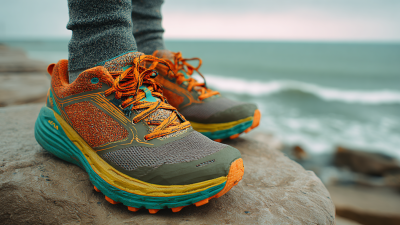
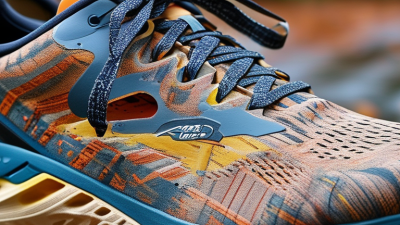
Best Outdoor Running Shoes for 2026 What to Look For?
Choosing the best outdoor running shoes for 2026 requires careful consideration. Many runners overlook crucial factors, leading to discomfort and injury. Outdoor running shoes are not just accessories; they are essential for performance and safety.
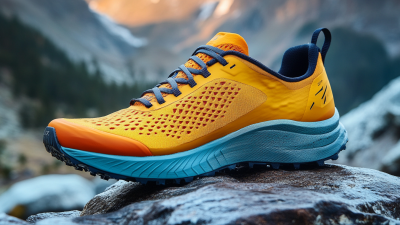
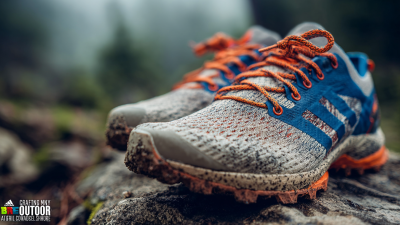
When selecting outdoor running shoes, prioritize comfort and fit. Runners should test shoes in-store, feeling for snugness without pinching. The right shoe makes a significant difference during long runs. Additionally, consider the terrain. Trail shoes offer better grip on uneven surfaces. Standard running shoes may suffice for pavement, but they won’t perform well in muddy conditions.
Reflecting on past experiences, some runners have chosen style over function. This often results in blisters or soreness. Selecting outdoor running shoes demands a blend of personal preference and expert advice. Investing time in research pays off with each mile logged. As technology advances, new materials enhance performance, yet finding the perfect shoe remains a personal journey. Assessing needs is vital; not all shoes suit every runner.
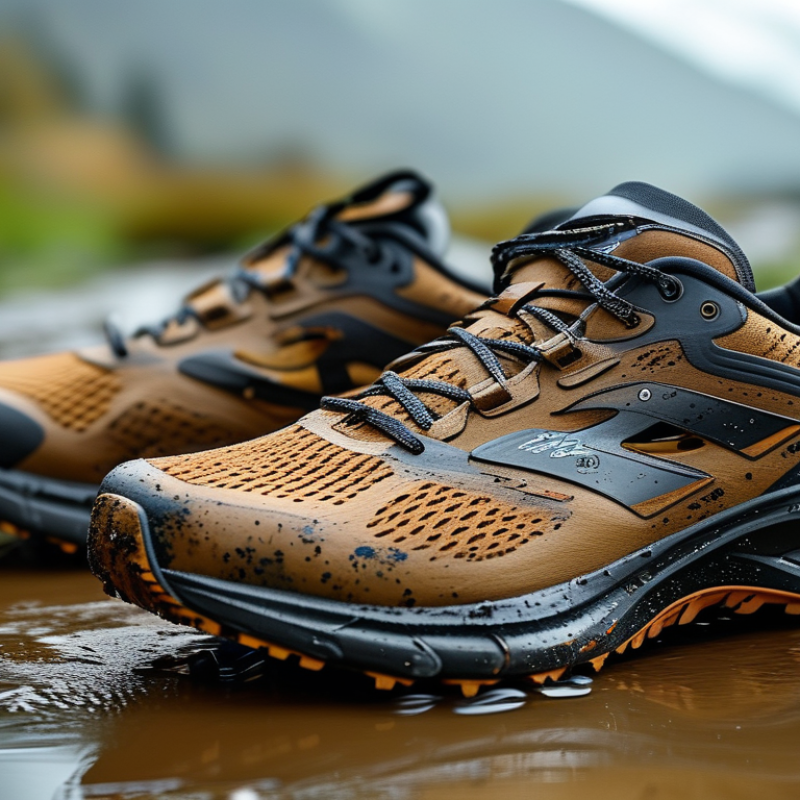
Key Features to Consider in Outdoor Running Shoes
When selecting outdoor running shoes, consider key features that enhance performance and comfort. Fit and comfort are paramount. The shoe should hug your foot without feeling constricting. A snug heel and ample toe box help reduce blisters. Make sure to try on shoes at the end of the day when your feet are slightly swollen for a more accurate fit.
Cushioning and support play crucial roles in outdoor running shoes. Aim for shoes with adequate cushioning to absorb impact. This is especially important on rocky or uneven terrains. Similar attention should be given to arch support. Evaluate your foot type to find the right arch support level. Over time, you may need to replace worn-out shoes to maintain optimal support and cushioning.
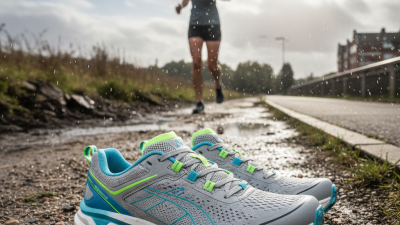
Traction and durability are also essential. Look for outsoles made of robust materials that offer good grip on various surfaces. A shoe that wears out quickly can lead to injuries. It’s worth considering how the shoes perform in different weather conditions. They should provide stability, whether wet or dry. Remember, not all shoes work for everyone. Take the time to find what best suits your needs.
Importance of Footwear Fit for Outdoor Running
Choosing the right footwear fit is crucial for anyone who loves outdoor running. Proper fit enhances comfort and performance while minimizing the risk of injury. When you put on a shoe, it should feel snug in the heel and midfoot, but with enough room in the toe box to allow your toes to move freely. Consider the shape of your foot. Some runners may have wide or narrow feet, and the right fit varies accordingly.
Many runners overlook the need for a proper fit. This can lead to blisters, blackened toenails, or worse, stress fractures. Test your shoes by running a short distance in them before committing. It’s advisable to shop for shoes in the afternoon when feet tend to swell. This approach helps ensure that your shoes remain comfortable during your longer runs.
Look for breathable materials to enhance comfort. Shoes with good arch support can make a significant difference in your running experience. If you have specific issues, like overpronation, be mindful of how these factors affect your shoe choice. Remember, a good running shoe doesn't just feel good at first; it should support you over many miles. Finding that perfect fit might take time, but it pays off in the long run.
Top Materials for Durability and Breathability
When looking for outdoor running shoes in 2026, materials play a critical role. The best shoes should feature durable materials that withstand different terrains. Look for uppers made from breathable mesh. This helps keep your feet cool during long runs. A lightweight design improves performance, but durability should not be sacrificed.
Consider midsole materials like EVA foam. This type of foam offers cushioning while remaining resilient. Some runners find that softer materials lead to quicker wear. Choose wisely based on your running style. A shoe with a firmer midsole may last longer and support heavier runners better.
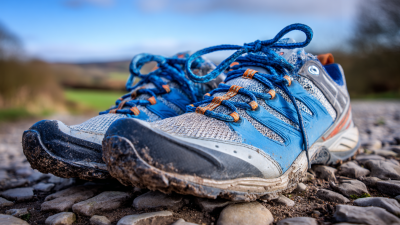
Evaluate the outsole as well. Rubber compounds with a mix of traction patterns enhance grip on varied surfaces. If you run in wet conditions, traction becomes even more important. It's essential to test shoes for fit. A good fit prevents blisters and unwanted foot movement. Each runner's foot shape is unique. Prioritizing personalized comfort can lead to a better running experience.
Trending Technologies in Running Shoe Design for 2026
As we approach 2026, running shoe technology continues to evolve. A recent report from the Footwear Distributors and Retailers of America indicates that the demand for high-performance running shoes is projected to rise by 30%. This surge highlights the need for innovative design elements.
Among the trending technologies, cushioning remains critical. Shoes featuring advanced foam materials provide better energy return and shock absorption, essential for long-distance runners. A study from the Journal of Sports Science shows that runners wearing these shoes experience a 15% reduction in impact forces. However, too much cushioning can lead to a loss of ground feel, which some runners may find disconcerting.
Breathability and moisture management are also trending in running shoe design. New textiles that wick away sweat enhance comfort and prevent blisters. Yet, some users report that lightweight shoes sacrifice durability. Balancing these features is crucial for creating a running experience that promotes performance without compromising longevity. As technology advances, the challenge remains: how to integrate these innovations without overcomplicating the user experience.
Best Brands and Models for Outdoor Running in 2026
When searching for the best outdoor running shoes in 2026, it’s vital to consider various brands and models that excel in performance and comfort. Many runners prioritize lightweight materials for flexibility and speed. Others look for durable outsoles that offer excellent traction on varied terrains. The right balance between cushioning and stability is essential. Some shoes are designed specifically for long distances, while others cater to speed work.
Top brands are continuously innovating. They focus on technology that enhances breathability and moisture management. These features keep feet dry during intense runs. Advanced cushioning systems can absorb impact, reducing stress on joints. It’s also important to remember that every runner's foot is unique. A shoe that works for one person may not suit another. Trying on several models is often necessary.
As you evaluate the options, consider the fit and comfort. Sometimes, the most popular models might not feel the best for you. Seek recommendations, but trust your instincts. Listen to your body when trying various designs. Understanding your own running style may take time. Don’t rush the process; finding the right shoe can significantly improve your running experience.
Best Outdoor Running Shoes for 2026 - What to Look For?
| Model |
Weight (oz) |
Cushioning |
Durability |
Best For |
| Model A |
9.5 |
High |
Excellent |
Trail Running |
| Model B |
10.2 |
Medium |
Good |
Road Running |
| Model C |
8.8 |
High |
Very Good |
All-Terrain |
| Model D |
11.0 |
Low |
Average |
Beginner Runners |
| Model E |
9.0 |
Medium |
Excellent |
Speed Work |